Mary Debenham
Mary Debenham is a central figure in the conspiracy aboard the Orient Express, a woman whose cool exterior and deliberate lies mask a deep personal connection to the Armstrong tragedy and a pivotal role in the plot to execute Samuel Edward Ratchett. As the former governess to the Armstrong household and the lover of Colonel Arbuthnot, she helped orchestrate the elaborate revenge scheme, and her composed demeanor throughout the investigation belies her emotional turmoil and strategic importance.
Identity and Background
Mary Hermione Debenham, twenty-six years old, is a tall, slim, dark-haired Englishwoman with a cool, efficient manner and grey eyes. She first appears on the Taurus Express from Aleppo, where she is observed by Hercule Poirot as a young woman who can take care of herself with perfect ease, possessing poise and efficiency. She is traveling from Baghdad, where she has been working as a governess, and is returning to London. She conceals her true history: she was the governess in the Armstrong household at the time of the kidnapping and murder of three-year-old Daisy Armstrong. She also lies about having never been to America, a falsehood she later admits to Poirot, explaining that she feared the publicity of being connected to the case would ruin her career and prevent her from finding respectable employment.
Life and Plot Trajectory
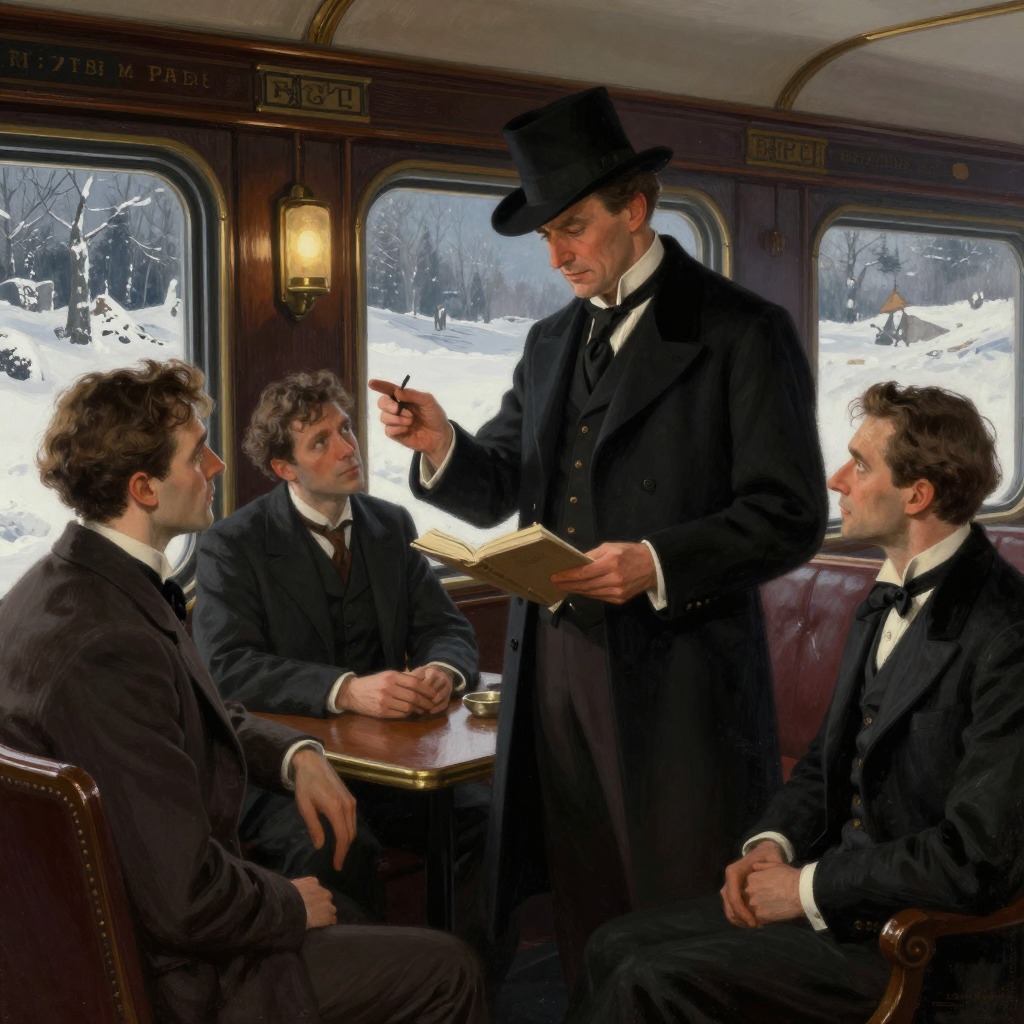
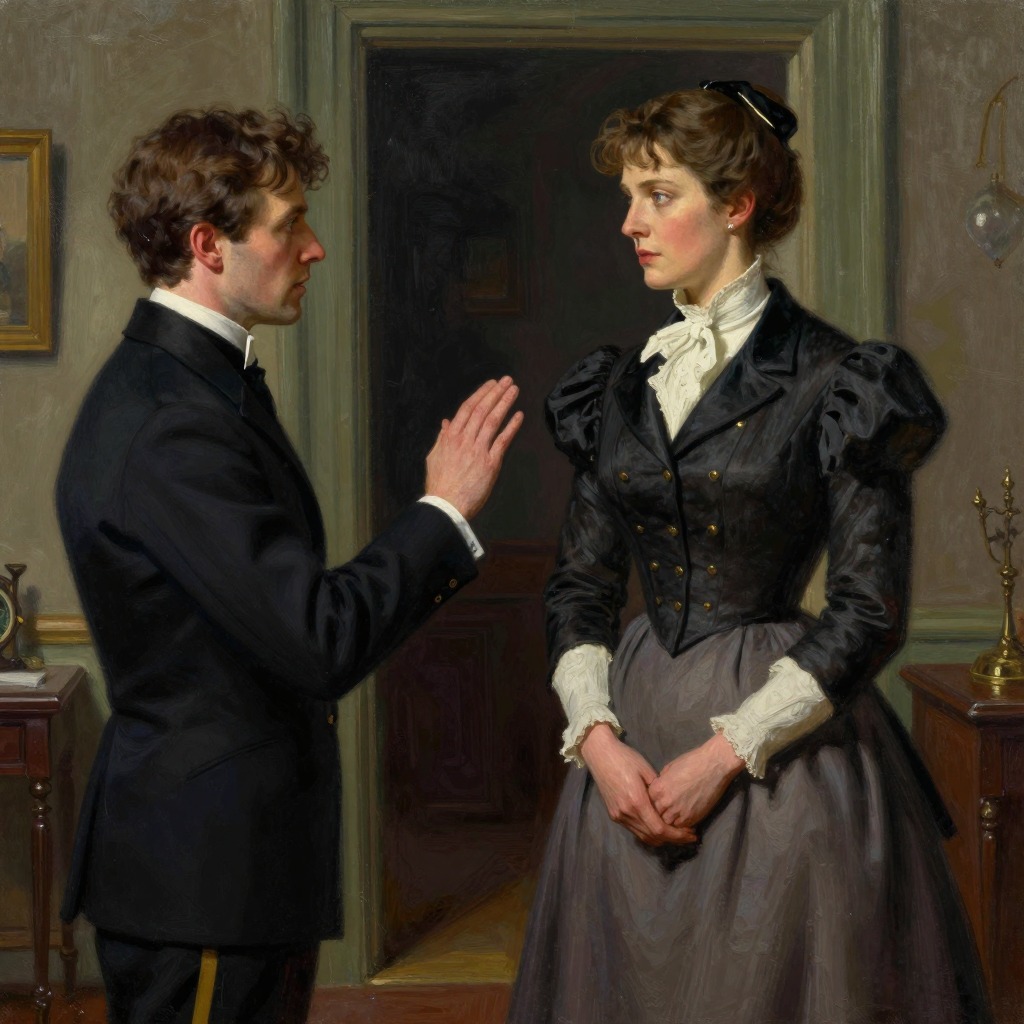
On the Taurus Express, Mary Debenham meets Colonel Arbuthnot, and they share meals and conversation, though they pretend to be strangers. Poirot overhears a cryptic exchange between them at Konya station: Mary says, "Not now. Not now. When it's all over. When it's behind us," a phrase she later refuses to explain. She displays intense anxiety when the Taurus Express is delayed, fearing she will miss the connection to the Orient Express, a reaction that Poirot finds disproportionate. On the Orient Express, she shares a second-class compartment with Greta Ohlsson. After the murder is discovered and the train is snowbound, she remains calm and philosophical, a marked contrast to her earlier agitation. During the investigation, she initially denies any connection to the Armstrong family, but when confronted by Poirot, she breaks down and cries, revealing the depth of her emotional involvement.
Key Actions and Objectives
Mary Debenham's primary objective is to ensure the success of the conspiracy to kill Ratchett and to protect herself and her fellow conspirators from detection. She works with Hector MacQueen to plan the details of the murder, as Linda Arden later reveals: "Mary worked out all the details later with Hector MacQueen." She maintains her false identity as a stranger to Arbuthnot and to the Armstrong household, lying to Poirot about her past. She also provides an alibi for Greta Ohlsson, claiming the Swedish lady never left their compartment during the night. Her composed testimony and refusal to explain her cryptic words to Arbuthnot are deliberate acts of misdirection, designed to confuse the investigation.
Relationships and Conflict
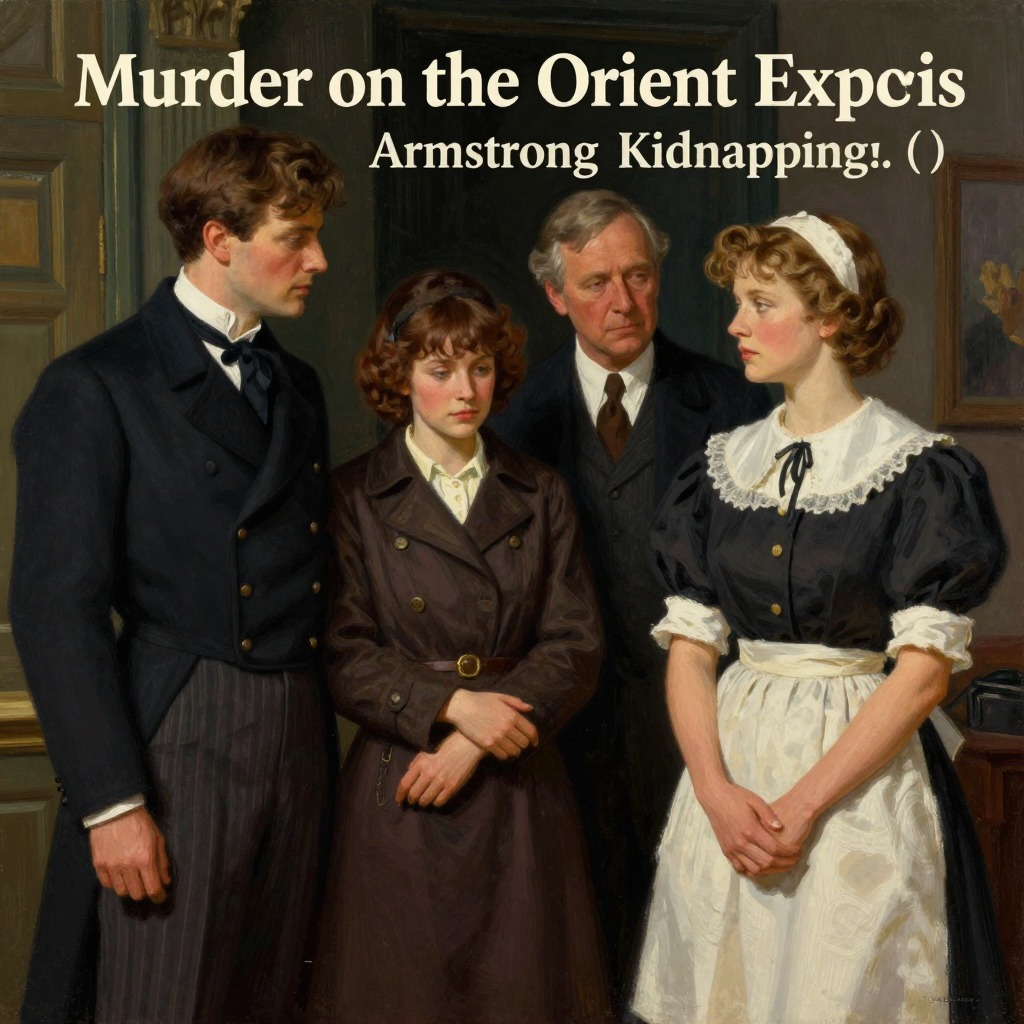
Mary Debenham is in a romantic relationship with Colonel Arbuthnot, whom she met on the journey from Baghdad. Their intimacy is evident in their use of first names and their shared secret, which Arbuthnot refuses to betray even under questioning. She is also connected to the other conspirators through the Armstrong household: she was the governess to Daisy Armstrong, and she worked alongside Greta Ohlsson (the nurse), Antonio Foscarelli (the chauffeur), and Masterman (the valet). Her primary conflict is with Hercule Poirot, who sees through her calm facade and presses her for the truth. She resists his interrogation, but her emotional breakdown reveals the strain of her role.
Change and Ending
Mary Debenham's transformation is from a controlled, efficient governess to a woman who breaks down under the weight of her secret. When Poirot reveals that he knows she was in the Armstrong household, she admits her lie but refuses to explain her words to Arbuthnot, crying "as though her heart would break." In the final revelation, Linda Arden confirms that Mary worked out the details of the murder plot with MacQueen. Poirot's second solution, which he presents as the correct one, identifies her as one of the twelve conspirators. The novel ends with the conspirators' plan accepted by M. Bouc and Dr. Constantine, who agree to present the false solution to the police, allowing Mary and the others to go free.
Narrative Role and Evaluation
Mary Debenham serves as a key figure in the conspiracy, combining intelligence, emotional control, and strategic planning. Her role as the governess in the Armstrong household gives her a personal motive for revenge, and her relationship with Arbuthnot adds a layer of romantic tension to the plot. Her composed demeanor and deliberate lies make her a challenging witness for Poirot, and her emotional breakdown is a rare moment of vulnerability that humanizes her. She is a strong, capable character whose actions are driven by a sense of justice and loyalty to the Armstrong family, and her ultimate fate—freedom from prosecution—reflects the novel's moral ambiguity about vigilante justice.